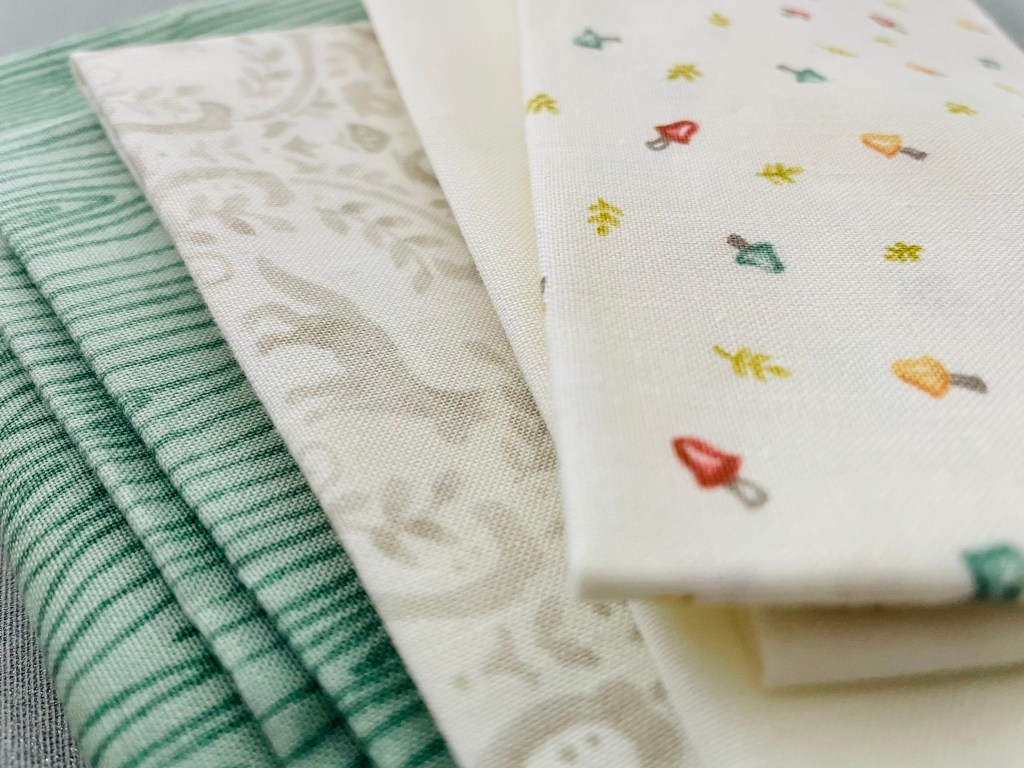
When I was learning how to make my first quilt, I was told I needed to wash my fabric before doing anything else.
Washing would allow the fabric to do some shrinking beforehand, and if you add a few color catchers, it would also help prevent any color bleeding later. It sounded like a very reasonable thing to do when preparing quilt fabric. So what did I do? I didn’t wash a thing!
I already knew this whole quilting process would require ironing, now I needed to do laundry, too? That was not going to happen. And you know what happened to my first quilt? It came out perfectly fine. So let’s talk about preparing your quilt fabric!
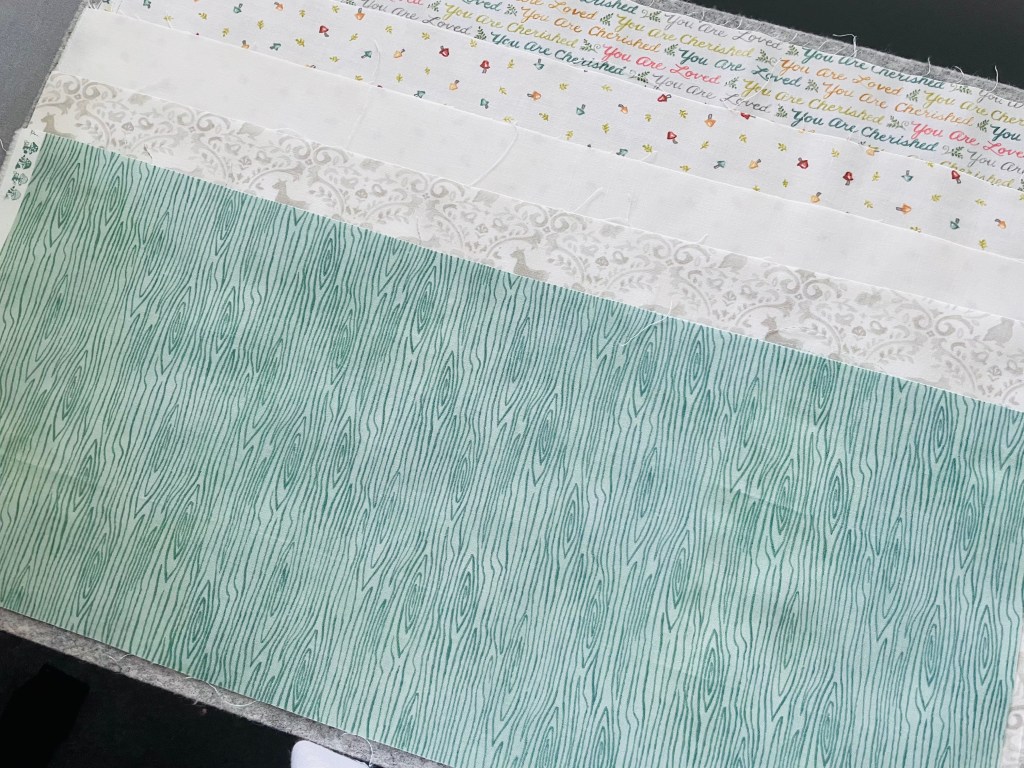
Washing Fabric
I am the type of quilter who cannot wait to get to the good part and start piecing my quilts together, but even I have a quick method of preparing my fabric so I end up with good results. Like I said earlier, I don’t bother washing since fabric today does not tend to bleed the way it did back in the day. I actually wait till my quilt is all finished and ready for it’s first wash. During this first wash, I put in two or three color catchers and hope it turns out okay! So far, after the many quilts I have made and washed this way, I can only think of two that have actually bled. That’s why I recommend color catchers for the first wash. They totally did their job and those two quilts turned out just fine.
Some of you may wash prior to piecing so there isn’t as much shrinking of your fabric, which in result leads to a less ‘crinkly’ finished look. Personally, I don’t mind that look, but for those of you that do, then I can see why you would go this route. However, I wouldn’t recommend washing any precut smaller than a fat quarter bundle since your fabric will shrink.
My Quick Method: Ironing Fabric
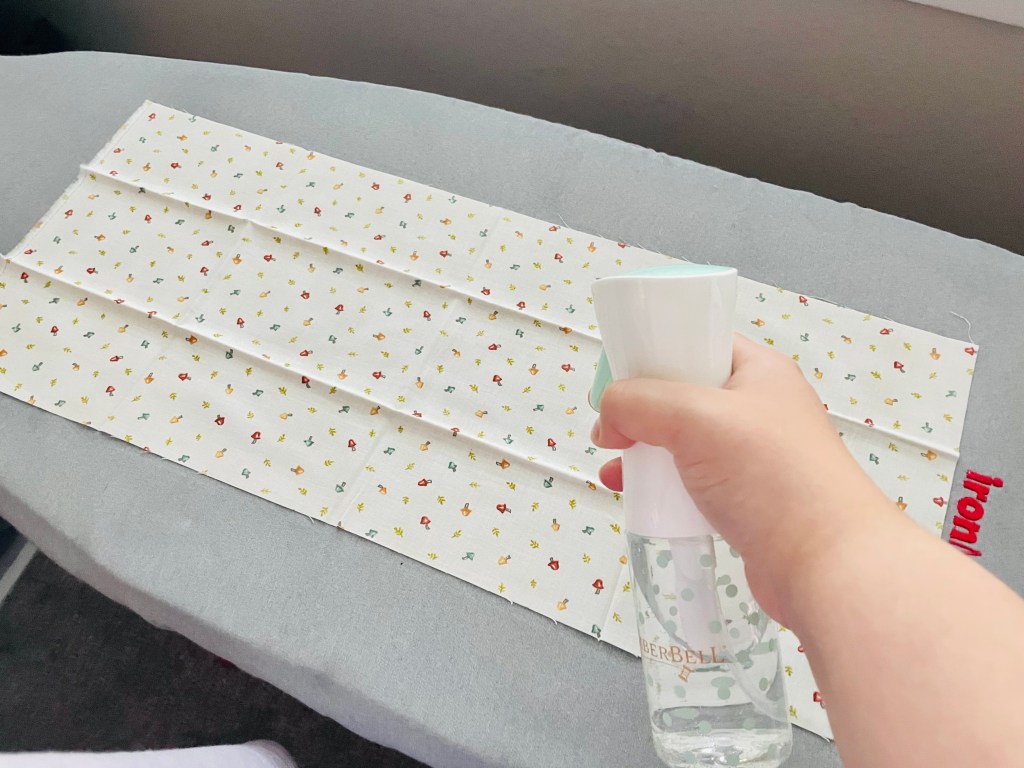
Usually I start off with spraying water on the front my fabric before ironing. This helps get out those pesky wrinkles for more accurate cutting later. I also only iron in the direction of the length of fabric. In other words, my iron is going in the direction parallel to the salvage. Since the length of fabric doesn’t stretch, you are less likely to warp the fabric or end up with weird ‘waves” in the middle. Time to turn that fabric around!
My Quick Method: Best Press
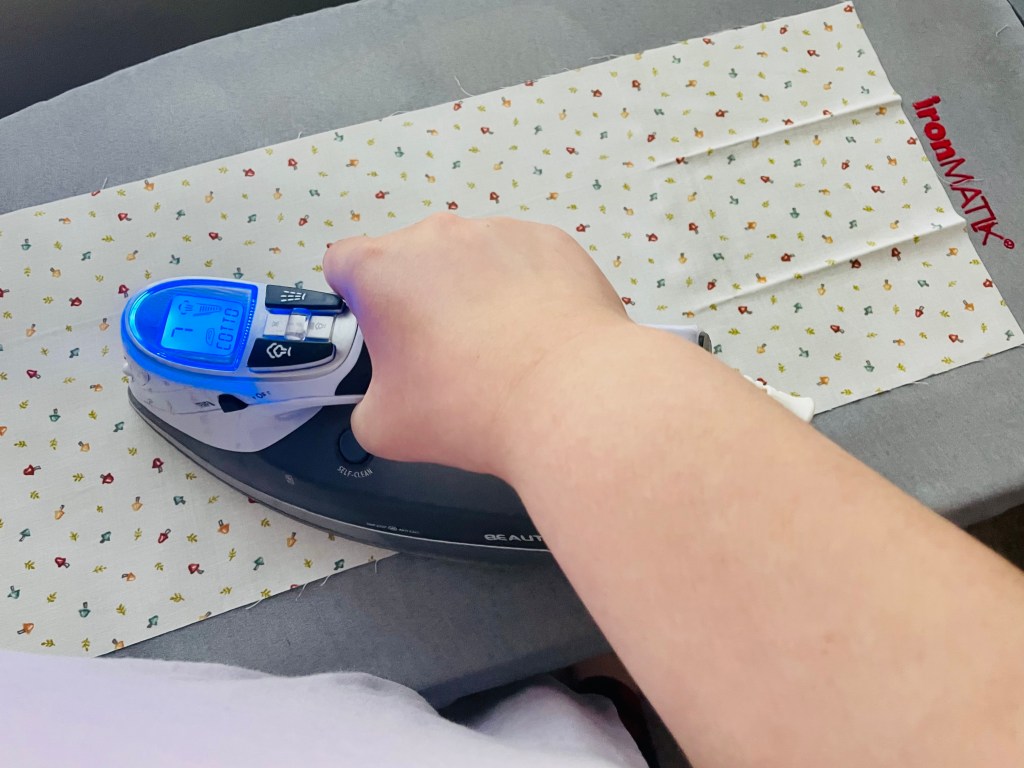
Some quilters like to completely soak their fabric in starch and let it dry overnight, but that just takes too much time in my book. So I always have Mary Ellen’s Best Press in my sewing room! It’s technically a combination of both starch and sizing, and let me tell you, I go through a lot of this stuff. At this point, I just buy the gallon refills so I never run out. I spray a generous amount on the back, give it a few minutes so soak through, and then iron it till it’s dry. I even starch my backing fabrics since the stiffness it creates helps with free motion quilting! What makes starch so appealing is it takes control of the stretchiest part of the fabric; the bias. This helps increase accuracy of cutting and piecing, and you can just wash out the starch when the quilt is all done!

Similar to washing fabric, starching fabric will also cause it to shrink. I usually lose about 1/8 to 1/4 of an inch when starching. So if you are using precuts and decide you want to starch, you need to check with the pattern to make sure starching will work, otherwise you could suddenly find yourself short on fabric.
There are many different ways to prepare quilt fabric and I would love to hear about them! Feel free to comment below and share how you prepare your fabric.
– Leslee
 Stitch & Bear Time